

Why Regular Dental Checkups Are Important Even When Your Teeth Don't Hurt
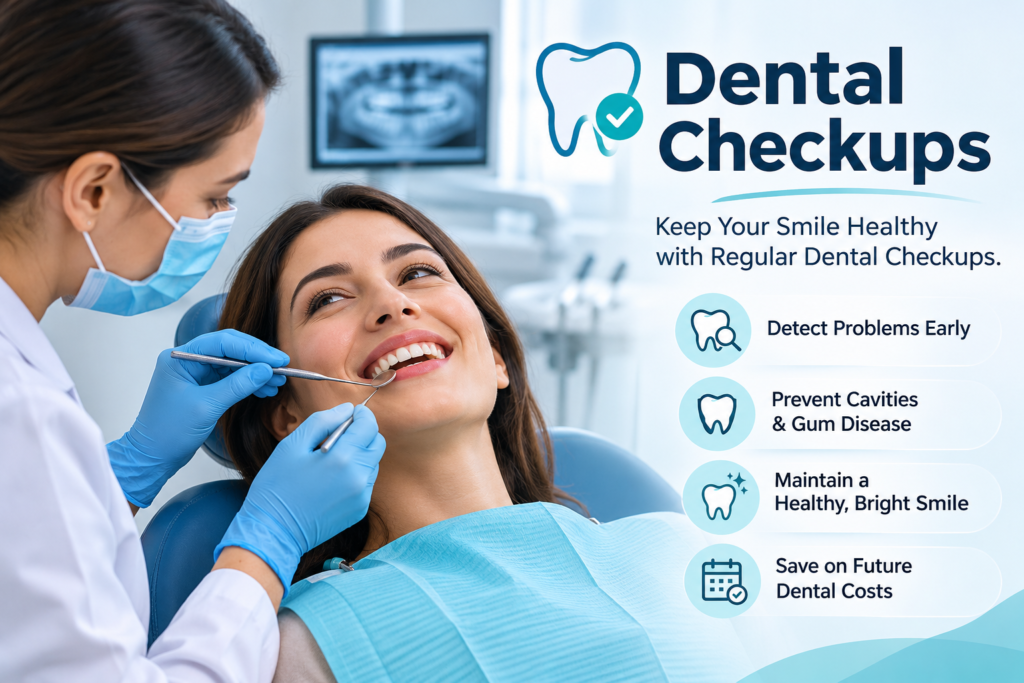
Most individuals only see the dentist when they have a toothache, bleeding gums or other obvious dental concerns. But waiting for pain to get an appointment can turn small dental problems into major ones. Many dental problems develop over time and may not cause any pain in the early stages. Regular dental examinations help you recognise these risks, keep your teeth and gums healthy, and avoid unnecessary consequences.
Why Regular Dental Checkups Are Important Even When Your Teeth Don't Hurt
If you’re searching for Australia Dental Burpengary services, regular checkups can be a great start toward protecting your smile.
1. Dental Problems Can Develop Without Pain
Dental problems don’t often come with acute pain. Tooth decay, early gum disease, and mild enamel loss may happen without any visible signs. You may think your teeth are in good shape, but the problems below may be getting worse.
2. Regular Checkups Help Detect Tooth Decay Early
Tooth decay often begins with small pockets of enamel loss. It may not hurt or be sensitive at first. But if decay goes untreated, it may reach deeper layers of the tooth and require more advanced treatment.
3. Gum Disease Can Develop Without Noticeable Symptoms
Gum disease is another prevalent oral health problem that may develop over time. However, not everyone may notice these changes; early indicators might include redness, swelling or blood when brushing.
4. Professional Teeth Cleaning Removes Hardened Tartar
Brushing and flossing remove plaque on your teeth each day. But plaque that remains on the tooth surface may harden into tartar that regular brushing can’t remove.
5. Dental Checkups Help Monitor Existing Fillings and Crowns
Dental fillings and crowns are meant to repair damaged teeth, but they aren’t everlasting. They might become worn, damaged or loose over time. Dentists use regular checkups to assess the health of existing dental restorations.
6. Dental Examinations Can Identify Hidden Problems
Some dental issues can be hard to spot without a professional checkup. At first, problems such as infections, impacted teeth, and changes around your tooth roots may not show obvious signs.
7. Regular Visits Help You Maintain Fresh Breath
Chronic bad breath may be connected to plaque, tartar, gum disease, or untreated tooth decay. Brushing and mouthwash may temporarily improve breath, but they don’t always solve the underlying reason.
8. Dental Checkups Help Children Develop Healthy Habits
Children benefit from frequent dental appointments since their teeth and jaws are continually growing. Routine visits let dentists track tooth growth, spot early signs of decay, and offer age-appropriate oral care advice.
9. Preventive Dental Care May Reduce the Need for Complex Treatment
Some minor dental disorders, if ignored, can become major ones that require expensive treatment. For example, if tooth decay isn’t addressed, you may require a root canal or extraction later on.
10. How Often Should You Visit the Dentist?
How often you should see the dentist depends on your own oral health state and risk factors. A dental check-up every six months works for many people. However, those with gum disease, numerous cavities, or other chronic issues may need more regular visits.
11. What Happens During a Routine Dental Checkup?
A typical dental visit usually consists of a few steps:
Discussion of Your Dental History – Your dentist will ask questions about past dental work, current problems, medications you take, and any changes in your mouth.
Examination of Your Teeth – Each tooth is examined for cavities, fissures, enamel damage or any other evident problems.
Gum Assessment – Your gums are evaluated for swelling, bleeding, inflammation, and signs of gum disease.
Dental X-Rays if Required – X-rays may be prescribed to uncover concealed decay, infections or disorders around the tooth roots.
Treatment Recommendations – Your dentist will discuss any problems found during the exam and recommend preventative care or treatment that’s right for you.
12. Simple Ways to Maintain Oral Health Between Checkups
Oral hygiene is essential between dental visits. Just follow these fundamental practices:
- Brush your teeth twice every day using fluoride toothpaste.
- Floss frequently to remove food particles and plaque between your teeth.
- Reduce sugar in your diet.
- Drink enough water throughout the day.
- Do not use any tobacco products.
- Replace your toothbrush when the bristles are worn out.
- If you have chronic discomfort, swelling, or bleeding gums, contact your dentist.
Conclusion
Healthy teeth don’t necessarily equal problem-free teeth. Dental issues may develop without symptoms and may not be discovered until they have advanced. Regular dental check-ups help identify early warning signs, remove hardened tartar, monitor existing restorations and maintain healthy gums.
Preventive dental treatment is an addition to your dental regimen that helps preserve your natural teeth and lower the risk of serious tooth conditions. Schedule frequent visits at Proactive Dental with a reputable dental practitioner and take a proactive stance toward a healthy smile.
Read More- Top 5 Reasons to Choose Australia Dental Burpengary for Your Smile
Frequently Asked Questions
1. How long does a routine dental checkup take?
A normal dental checkup typically takes 20-40 minutes depending on your oral health state and the exams needed. Further cleaning or X-rays may add time to your session.
2. Is professional teeth cleaning necessary if I brush twice daily?
Yes. Brushing twice a day may help keep plaque under control, but it does not remove hardened tartar. A professional Australia Dental Burpengary expert removes these deposits and helps keep teeth & gums healthy.
3. What happens if I skip dental checkups for several years?
Skipping dental checkups can lead to issues like tooth decay and gum disease going unnoticed. At some point, you may need a more intensive therapy. Regular exams may catch problems early.
4. Are dental checkups important for older adults?
Of course. Gum recession, dry mouth, tooth wear, and changes around existing dental restorations may occur in older adults. Regular dental checkups may help monitor these issues and keep oral health in check.